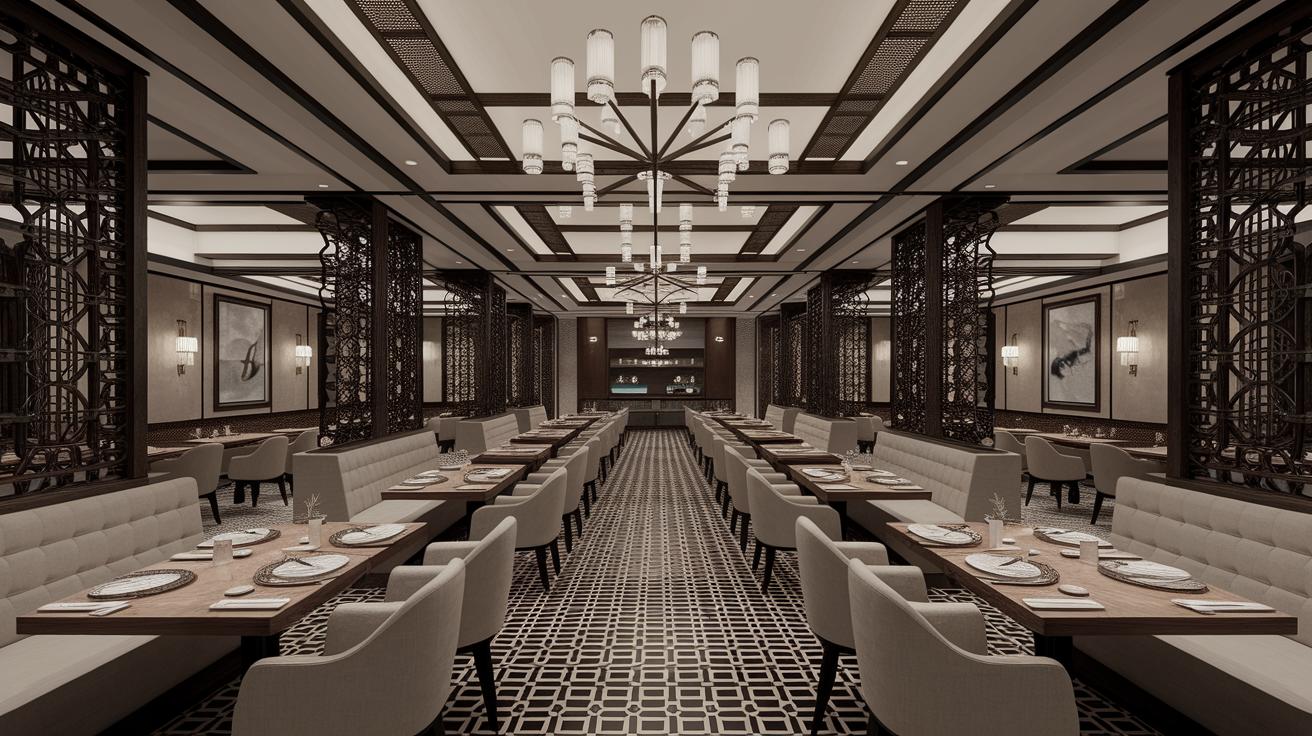
Where To Eat in Kyoto: A Culinary Journey
Kyoto, a city famed for its rich history and exquisite beauty, is equally renowned for its unique culinary offerings. From the delicate aesthetics of Kaiseki Ryori to the robust flavors of Kyoto Soba, there’s an abundance of dishes waiting to be explored. This guide delves into the heart of Kyoto’s food culture, offering insights into its traditional cuisine, local specialties, and the dining experiences not to be missed. Whether you’re a seasoned traveler or a curious epicurean, join us as we map the gastronomical treasures Kyoto has to offer and discover cooking secrets with Sakura’s exclusive e-book and cooking box. Let’s embark on a culinary journey through Kyoto’s vibrant food scene.
Kyoto City Map
For any traveler, a reliable map is a foundational tool. Kyoto, with its maze of streets lined with centuries-old temples, traditional machiya houses, and modern eateries, can be mesmerizing yet confusing. An accurate city map not only helps you navigate its intricate pathways but also ensures you don’t miss out on culinary gems tucked away in hidden alleyways.
While Kyoto is home to numerous renowned locations, understanding the proximity of these dining spots relative to cultural landmarks will enhance your experience. Interactive digital maps are advantageous, allowing you to chart your course from tasting a delicate Yuba dish near the Kyoto Imperial Palace to savoring a robust Hamo dinner after a visit to Fushimi Inari-taisha.
Sakura Exclusives: FREE E-Book & Cooking Box!
For those passionate about bringing Kyoto’s authentic tastes into their kitchens, Sakura offers an exclusive e-book packed with traditional recipes that capture the essence of Kyoto cuisine. This is a golden opportunity for culinary enthusiasts eager to explore Kyoto’s flavors through a detailed and easy-to-follow guide. Every recipe is thoughtfully curated to reflect Kyoto’s rich food heritage.
Alongside the recipe e-book, the Sakura cooking box offers an exciting culinary kit with essential ingredients unique to Kyoto’s iconic dishes. What’s better than experiencing authentic flavors at home? This kit not only makes a perfect gift for yourself but also for friends and family keen on a gastronomical adventure from the comfort of their kitchens.
What to Eat in Kyoto: Kyo Ryori (Kyoto Cuisine)
1. Kaiseki Ryori: Traditional Multi-Course Meal
Kaiseki Ryori epitomizes Kyoto’s culinary artistry. Known for its meticulous preparation and beautiful presentation, this traditional multi-course meal highlights seasonal ingredients, bringing out their flavors through subtle yet sophisticated techniques. Each dish acts as a creative expression, with a focus on contrast and harmony, allowing diners to partake in a sensory experience.
Where to Eat Kaiseki Ryori in Kyoto: Minokichi Karasuma Shijo
Renowned for its elegant Kaiseki offerings, Minokichi Karasuma Shijo is a place where tradition meets innovation. With a legacy dating back to the Edo period, this establishment crafts menus that celebrate the season’s bounty, making it an ideal place to savor the finest Kyoto has to offer. Its exquisite dishes are complemented by a serene ambiance that mirrors Kyoto’s tranquil beauty.
2. Shojin Ryori: Vegetarian Buddhist Cuisine
Rooted in the ascetic practices of Buddhist monks, Shojin Ryori is a vegetarian cuisine that emphasizes simplicity and balance. The dishes are crafted with a mindful approach, often using temple-grown vegetables, tofu, and seaweed, each-bearing spiritual significance and intended to nourish both body and soul.
3. Obanzai: Kyoto Home-Cooking
Obanzai represents the heart of Kyoto’s culinary tradition, bringing the flavors of home-style cooking to life. This style includes a variety of small dishes, primarily using locally-sourced ingredients prepared to highlight their natural tastes. Obanzai can be found in intimate local eateries and offers a warm and comforting dining experience.
What to Eat in Kyoto: Local Specialties
1. Yuba
Yuba, or tofu skin, is an integral part of Kyoto’s culinary identity. This delicacy is created during the tofu-making process and is valued for its delicate taste and high nutritional content. Often served fresh, boiled, or dried, Yuba can be an enlightening experience for those interested in tasting Kyoto’s authentic flavors.
2. Kyoto Sake
Known for its soft water, Kyoto produces some of Japan’s finest sake. This traditional rice wine, with its myriad of flavors ranging from fruity to earthy, is best enjoyed alongside a local meal, allowing an immersive exploration of Kyoto’s deep culinary roots.
3. Kyoto Soba (Buckwheat Noodles)
Kyoto Soba is appreciated for its rich, nutty flavor and slightly chewy texture. Served hot or cold, these buckwheat noodles can be a delightful addition to your Kyoto dining experience, offering both nutritious and fulfilling meals ideal for any season.
4. Kyoto Sushi: Saba-Zushi (Mackerel Sushi)
Unlike the more commonly known Edo-style sushi, Kyoto’s Saba-Zushi features mackerel marinated in vinegar and pressed over rice. This dish is emblematic of Kyoto’s historical reliance on preserved fish due to its distance from the sea.
5. Tsukemono (Pickled Vegetables)
The art of pickling in Kyoto has a long-standing history, offering a fascinating range of Tsukemono that serve as delightful accompaniments to any meal. These colorful, flavorful pickles help cleanse the palate and highlight Kyoto’s agricultural bounty.
6. Hamo (Conger Eel)
Hamo, or conger eel, is a culinary specialty particularly pronounced during Kyoto’s summer months. Known for its delicate yet rich flavor, Hamo is often served in a clear broth or as tempura, making it a notable must-try for seafood enthusiasts.
7. Matcha Green Tea Desserts
Matcha, Kyoto’s famous green tea, is celebrated both as a beverage and as an ingredient in elegant desserts. From matcha-flavored ice creams to delicate pastries, these treats are a serene ending to any meal, embodying Kyoto’s intricate artistry in dessert form.
8. Yatsuhashi: Japanese Sweets
Yatsuhashi, a traditional sweet often gifted as a souvenir, comes in both baked and raw forms. This delightful treat, flavored with cinnamon or wrapped around red bean paste, provides a taste of Kyoto’s charming culture and history, perfect as a snack while exploring the city.
FAQ on What to Eat in Kyoto
What are some must-try dishes in Kyoto?
For an authentic Kyoto experience, indulging in Kaiseki Ryori, Yuba, and Matcha desserts are essential. These dishes offer insight into the depth and breadth of Kyoto’s culinary tradition.
Where can I find the best sushi in Kyoto?
Some of the finest Saba-Zushi can be found in traditional sushi establishments throughout the city, especially near the Gion district, where time-honored techniques are revered.
What street foods should I try in Kyoto?
Street vendors offer a variety of local treats such as Taiyaki and Yakitori. Exploring Nishiki Market is a must for experiencing a plethora of Kyoto street foods in one location.
How can I experience a traditional tea ceremony in Kyoto?
Kyoto provides numerous venues to experience a traditional tea ceremony, such as the Urasenke Tea Ceremony School or through intimate sessions offered at select temples.
Can I find Michelin-starred restaurants in Kyoto?
Indeed, Kyoto is home to several Michelin-starred restaurants that highlight the city’s exquisite blend of modern innovation and ancient culinary arts, ensuring a luxurious dining experience.
How can I best experience Kyoto’s food scene?
Participating in guided food tours or cooking classes can significantly enhance your culinary exploration, providing insights and hands-on experience that deepen your connection to Kyoto’s food culture.
Anders Husa
Anders Husa, a prominent food blogger, and culinary explorer brings you closer to Kyoto’s culinary allure. With a zeal for discovering authentic flavors, Anders offers an insider’s perspective on the city’s diverse dining landscape. His recommendations provide a well-rounded understanding of what makes Kyoto a gastronomic haven, ideal for those seeking an informed and exquisite eating adventure.
Summary of Main Points
| Section | Key Points |
|---|---|
| Kyoto City Map | Utilize maps to navigate Kyoto’s culinary spots and cultural landmarks. |
| Sakura Exclusives | Explore Kyoto recipes through a free e-book and a cooking box. |
| Kyoto Cuisine | Experience Kaiseki Ryori, Shojin Ryori, and Obanzai for authentic tastes. |
| Local Specialties | Try Yuba, Matcha desserts, Kyoto Soba, Saba-Zushi, and more. |
| Food FAQs | Discover must-try dishes, best sushi spots, and street food experiences. |